New Trade Policies Kick In: Boosting Logistics & Freight Forwarding
New Trade Policies Roll Out Intensively in April, Boosting Foreign Trade Logistics Efficiency and Bringing Changes to Freight Forwarding Operations
On April 1, a series of policies covering foreign trade, ports, shipping, and cross-border e-commerce officially came into effect, delivering all-round benefits to the international logistics industry. From the full opening of coastal transshipment services and simplified return procedures for cross-border e-commerce, to streamlined ship quarantine certificates, policies have continuously sent signals of facilitation, bringing a new round of optimization to the operating models of freight forwarders, shipping companies, and foreign trade enterprises.
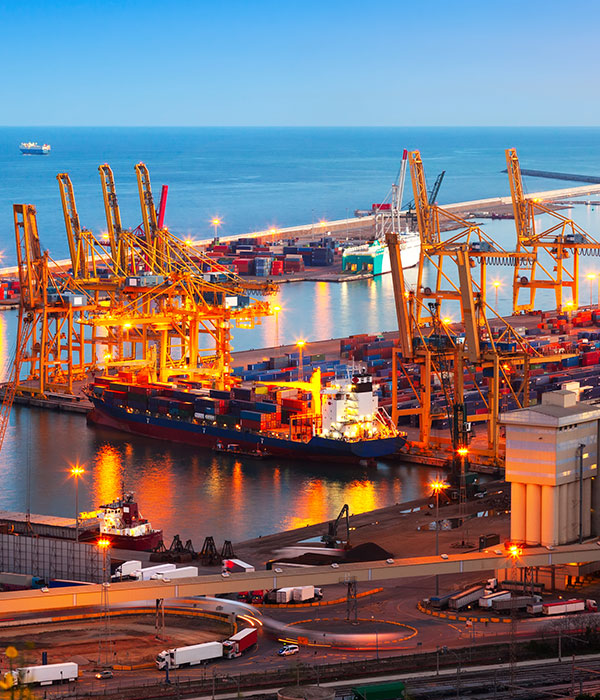
First, the coastal transshipment business for foreign trade containers has been fully liberalized. Previously, foreign-invested shipping companies faced certain access requirements for this business, but under the new rules, domestic and foreign shipping companies can now operate coastal transshipment under equal conditions. This allows international vessels to transfer foreign trade containers between major domestic hub ports, greatly improving the utilization of port resources and reducing logistics costs for inland and transshipment segments. The status of Northeast Asian hubs centered on Shanghai Port and Ningbo-Zhoushan Port will be further strengthened, and international transshipment volume is expected to keep growing.
Second, the return policy for cross-border e-commerce retail exports has been improved. For goods exported under the 9610 model, returns are no longer mandatory to be sent back to the original export customs; enterprises may choose the nearest port to handle return procedures according to their own needs. In the past, complicated and time-consuming return processes with high costs led many enterprises to abandon goods rather than go through returns. With the new policy, return costs have dropped significantly, improving capital turnover efficiency for cross-border e-commerce enterprises and supporting larger export volumes.
In addition, customs has integrated and optimized quarantine certificates for transport vehicles, streamlining more than a dozen original certificates into just a few. Ship sanitary quarantine procedures have been simplified, further cutting vessel turnaround time in ports and improving overall customs clearance efficiency. For international liners frequently calling at Chinese ports, this means faster turnover and lower port costs.
Meanwhile, new logistics regulations for the Russia route also took effect, implementing advance declaration, deposit systems, and QR code verification for road-imported goods. Logistics companies are required to complete system connections in advance to avoid congestion at ports. Freight forwarders operating China-Russia routes need to adjust their operational processes promptly to ensure compliance.
Overall, the intensive implementation of these policies reflects the country’s determination to continuously improve the port business environment and support the steady development of foreign trade. For the international logistics industry, policy dividends will gradually translate into actual efficiency gains. Freight forwarders should quickly familiarize themselves with the new policies, adjust internal standard operating procedures (SOPs), and seize policy opportunities to enhance service competitiveness.