

1. US–Iran Talks Collapse, Tensions Escalate Sharply
On April 12, talks between Iran and the United States in Islamabad concluded without any agreement. Iran stated that the negotiations took place in an atmosphere of distrust and suspicion, with major differences remaining on several key issues. The US side stressed that it had clearly defined its “red lines,” but Iran refused to accept US conditions.
Following the breakdown in talks, both sides adopted tough positions. An Iranian parliamentary official announced that lawmakers were advancing a new plan to ban warships of hostile countries from passing through the Strait of Hormuz. Iran’s navy commander said forces were closely monitoring all US military movements in the region. Iran dismissed US threats to block the strait as “absurd.” The Islamic Revolutionary Guard Corps added that the Strait of Hormuz remained under control and open to non-military vessels that complied with regulations, warning that any approaching military vessels would face a strong response.
2. US Begins Blockade of Iranian Ports and Intercepts Vessels
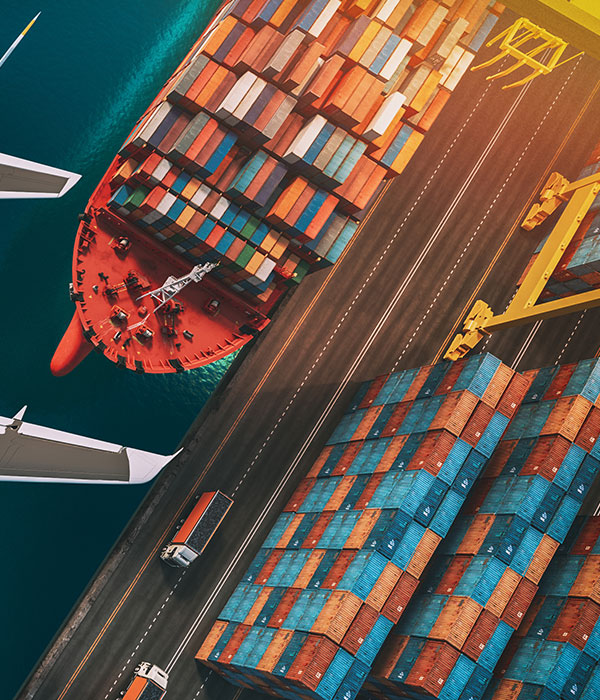
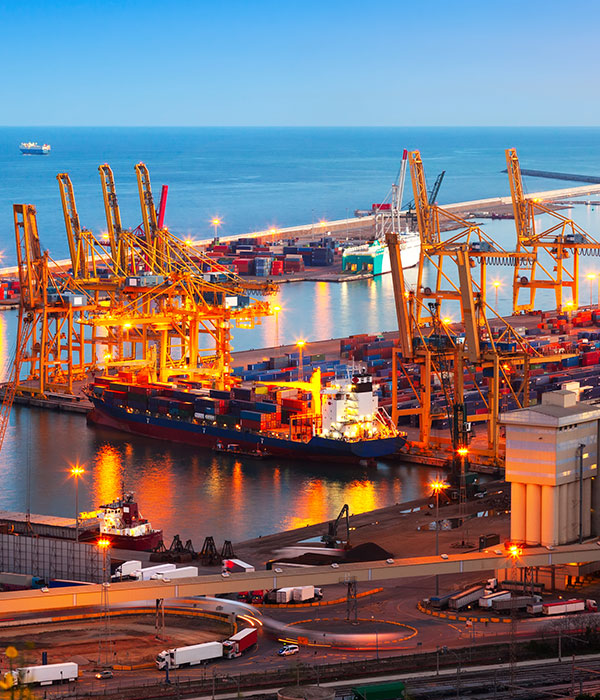
On April 13, US Central Command began enforcing a maritime blockade on all traffic to and from Iranian ports, as ordered by the president. The blockade covers all Iranian ports in the Persian Gulf and Gulf of Oman and applies to vessels of all nations. The US clarified that ships only transiting the Strait of Hormuz without visiting Iranian ports would not be affected.
According to Al Jazeera and CCTV, US forces also started intercepting vessels moving through the Strait of Hormuz on April 13. Iran called the blockade “a bluff,” and multiple countries opposed the unilateral US order, warning it would disrupt regional shipping and stability.
3. Trump Threatens to Destroy Iranian Fast Attack Craft
On April 13, former US President Donald Trump posted on social media, threatening that any Iranian fast attack craft approaching the US blockade zone would be “immediately destroyed.” He claimed 158 Iranian naval vessels had already been eliminated, issuing an explicit military warning against Iran’s remaining boats.
The remarks further raised military tensions in the Persian Gulf and increased global concerns about shipping security and energy supplies.
On April 12, Yemen’s Houthi movement issued a statement condemning US escalation. The group said the US was attempting to achieve through negotiations what it had failed to gain through military means, describing recent US threats as evidence of failed policies.
The Houthis warned that if the US and Israel resumed attacks against Iran and the “Axis of Resistance,” they would respond with intensified military operations. Any further US military escalation in the region, they added, would harm global supply chains, raise energy prices, and damage the world economy.
5. Pakistan Suggests New US–Iran Talks May Come Soon
On April 13, Pakistan’s Defense Minister Asif said prospects for renewed negotiations between Washington and Tehran remained alive, and a new round of talks could begin soon. He personally believed both sides were willing to re-engage diplomatically.
Despite these comments, no official talks have been announced, and the situation in the Middle East remains highly volatile.