
How Sellers Can Reduce Time Loss When International Shipping Routes Are Suspended or Reduced
In recent years, affected by geopolitical conflicts, capacity adjustments, port congestion and other factors, the suspension and reduction of international shipping routes have become the norm. This has directly led to cargo delays, stockouts, order breaches, and severely disrupted the operation rhythm of cross-border sellers. Faced with passive capacity fluctuations, sellers should not wait for the recovery of shipping schedules. Instead, they should minimize time loss through a combined strategy of "advance prediction, diversified alternatives, inventory optimization and risk coverage".
The first step is to monitor capacity dynamics in real time and avoid risks in advance. Assign special personnel to closely follow announcements from major shipping companies and freight forwarders, focusing on suspension and reduction plans for popular routes, especially sensitive ones such as the Red Sea, Europe and the United States. Lock space 1–2 months in advance to avoid unavailable space for last-minute bookings. Meanwhile, establish a cooperation system with multiple freight forwarders and shipping companies, instead of relying on a single route or service provider, to diversify the risk of capacity disruption.
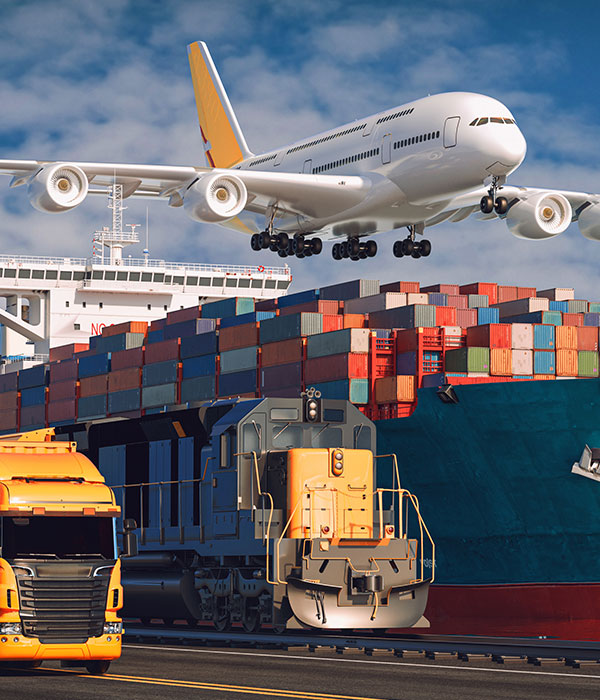
The second step is to quickly switch to alternative transportation plans to ensure cargo flow. When core routes are suspended, give priority to alternative transshipment routes. For example, blocked Red Sea routes can be rerouted via the Cape of Good Hope, or transshipped through hub ports such as Singapore and Dubai. For high-value and urgent shipments, flexibly adopt air-sea intermodal or sea-rail intermodal models. For instance, European routes can be combined with China-Europe Railway Express plus feeder shipping, while US routes use sea-rail intermodal to balance timeliness and cost. For small batches of urgent goods, switch to air freight or international express to avoid order breaches.
The third step is to optimize inventory management to buffer time fluctuations. Establish a safety stock mechanism, appropriately increase the stock volume of core products based on historical delay duration, and deploy some goods to overseas warehouses in advance to achieve local delivery and avoid fluctuations in shipping timeliness. Adjust the stocking cycle and extend the lead time, reserving 10–15 days of flexibility to cope with emergencies such as shipping delays and port congestion.
The fourth step is to ensure risk coverage and customer communication to reduce further losses. Purchase cargo delay insurance in advance to compensate for indirect losses caused by route suspensions and reductions. Sort out in-transit goods, communicate with overseas customers in a timely manner, inform them of delays in writing, and negotiate adjusted delivery dates to avoid liquidated damages. Keep suspension notices, booking vouchers, communication records and other documents, and negotiate claims with shipping companies and freight forwarders according to contracts when necessary.
Shipping time fluctuations are inevitable. Only by turning passivity into initiative and building a flexible logistics emergency system can sellers minimize time loss and ensure supply chain stability.