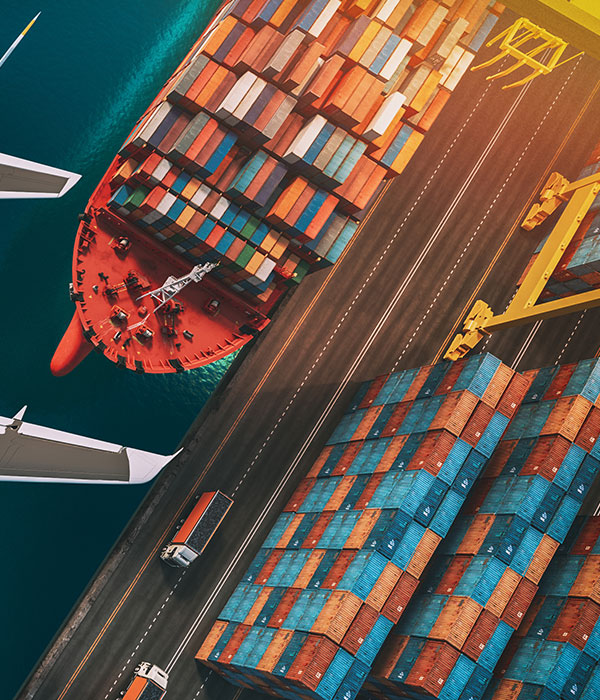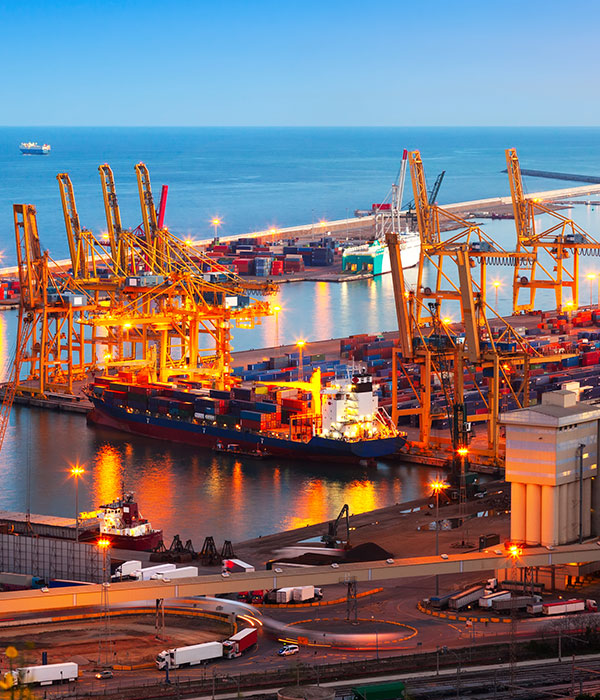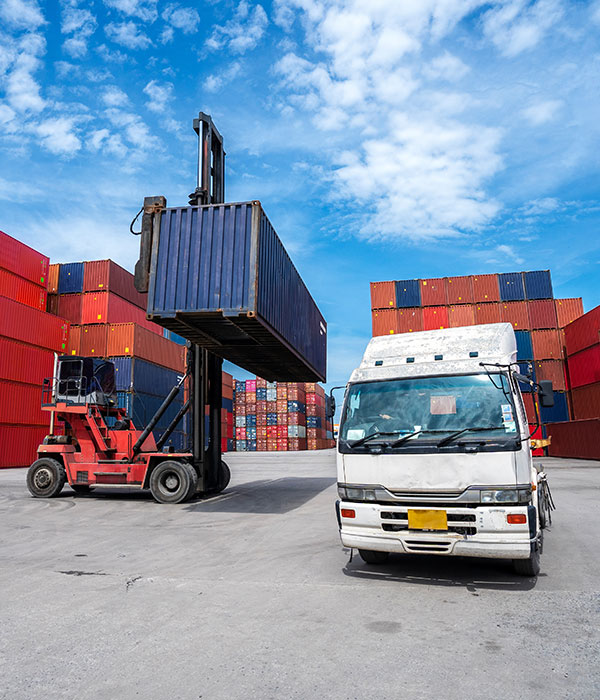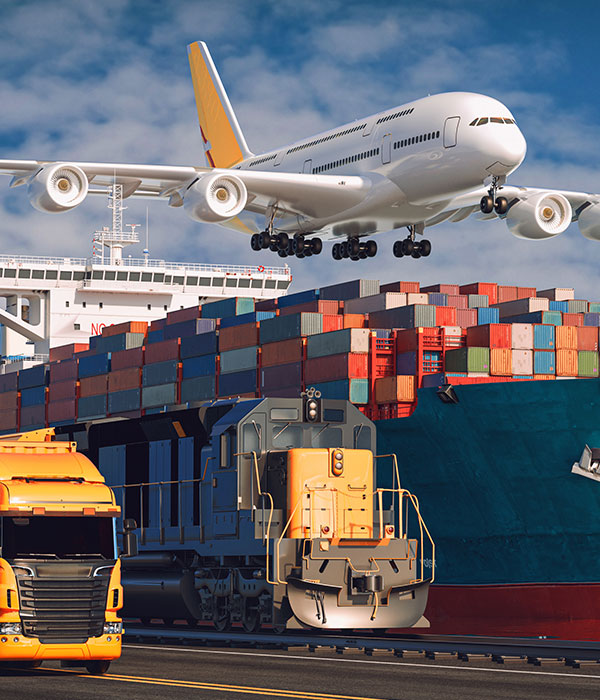


If you’ve been keeping an eye on international freight recently, you’re almost certainly flooded with bad news: ferocious winter storms batter Europe, unleashing towering waves in the English Channel that send shipping containers crashing into the sea and sinking; crippling blizzards in the US block roads, paralyze core aviation hubs, and trigger massive flight cancellations; world-class ports including Hamburg and Bremerhaven grind to a halt, with miles-long truck queues forming, railway switches freezing solid, and road restrictions rolling out one after another…
A global freight crisis sparked by extreme weather is escalating across Europe and the US. It has not only left cargo transportation in a desperate bind but also struck a nerve with countless foreign trade enterprises and cross-border sellers – your shipping containers may still be adrift at sea, your orders at risk of breach of contract due to delays, and your logistics costs quietly doubling.
Part 1: Extreme Weather in Europe and the US Pushes Freight Networks to the Brink of Collapse
Unlike previous local disasters, the current extreme weather in Europe and the US is characterized by a wide scope, extreme intensity and prolonged duration. It has disrupted the entire freight chain – sea, air and land – spreading the crisis from isolated points to the entire logistics network.
Sea Freight
Maersk issued an updated announcement on January 29, stating that severe weather has caused industry-wide disruptions. It explicitly noted that container terminals in the Western Mediterranean have suspended operations, with no clear timeline for resumption. Meanwhile, weather conditions in the Bay of Biscay are expected to deteriorate further. The company predicted that delays and port closures will continue to impact a wide range of vessels and terminals in the days ahead.
CMA CGM also released a statement on Thursday, noting that severe weather is currently disrupting navigation conditions along the coasts of the Atlantic Ocean, France, Spain and Morocco.
Air Freight
If sea freight delays are a slow agony, air freight paralysis is an acute pain. Core US aviation hubs including New York, Chicago and Louisville have been successively closed due to heavy blizzards and frigid cold air, with over 2,000 flights canceled and more than 7,000 delayed in a single day – a record high.
Land Freight
FedEx has issued a nationwide service disruption notice, clearly stating that shipments scheduled for delivery the week of January 28 (Wednesday) may face delays, which could last up to a week.
The United States Postal Service (USPS) has issued alerts for nearly 40 states, covering the Northern Plains, Great Lakes region, Ohio Valley, Northeast, Southwest, Southern Plains, Midwest and Southeast of the US. It has suspended delivery time guarantees for Priority Mail Express and halted the transportation of live animals.
United Parcel Service (UPS) reported widespread service disruptions in its Midwest, Southern and Northeast regions, with operations at its core aviation hub in Louisville, Kentucky, also disrupted. The company also warned that even if the pickup and delivery addresses are unaffected by the weather, packages moving through its network may still experience delays.
Part 2: 4 Urgent Response Measures to Minimize Losses
Extreme weather is a fait accompli, and passive waiting will only amplify losses. Whether you are a foreign trade enterprise, cross-border seller or freight forwarder, you must act immediately and take the following 4 steps to proactively tackle the crisis.
1. Verify Inventory and Clarify the Real-time Status of Cargo
Immediately contact your freight forwarder or carrier to fully verify the latest status of all in-transit cargo, with a focus on confirming three key points:
① Whether the cargo is located at ports/aviation hubs severely affected by the weather;
② The expected duration of delays and the possibility of further disruptions;
③ Whether the cargo is insured and if the insurance coverage includes risks of damage and delay caused by extreme weather.
2. Communicate Proactively and Manage Customer Expectations
Transparent communication is the key to maintaining customer trust. Once cargo delays are confirmed, immediately inform overseas buyers or sales teams of the objective causes of the delay and the latest estimated delivery time, avoiding disputes caused by information asymmetry.
3. Preserve Evidence and Control Additional Costs
Keep a close eye on additional costs such as port detention fees and container detention fees, clarify liability division with service providers, and avoid unreasonable charges. If the cargo is damaged, take photos and videos in a timely manner to preserve evidence, file a claim with the insurance company immediately, and cooperate with the claims process to minimize economic losses.
4. Optimize Layout and Upgrade Supply Chain Resilience
This Europe-US logistics crisis is a costly practical lesson and also an opportunity for supply chain upgrading. While extreme weather is inevitable, we can minimize losses through proactive responses and advance planning, and even find new development opportunities amid the crisis.
A logistics storm sweeping Europe and the US is both a costly practical lesson and a chance for supply chain upgrading. Extreme weather cannot be avoided, but we can minimize losses through proactive responses and advance layout – and even uncover new development opportunities in the crisis.
A gentle reminder to all foreign trade professionals and cross-border practitioners: closely monitor extreme weather warnings and freight dynamics in Europe and the US in the near future, and adjust operational strategies in a timely manner. May everyone weather this crisis smoothly, hold onto orders, protect profits, and forge ahead steadily in an era of uncertainty.